
AI is changing how buyers choose a video partner. Here's what to do about it now
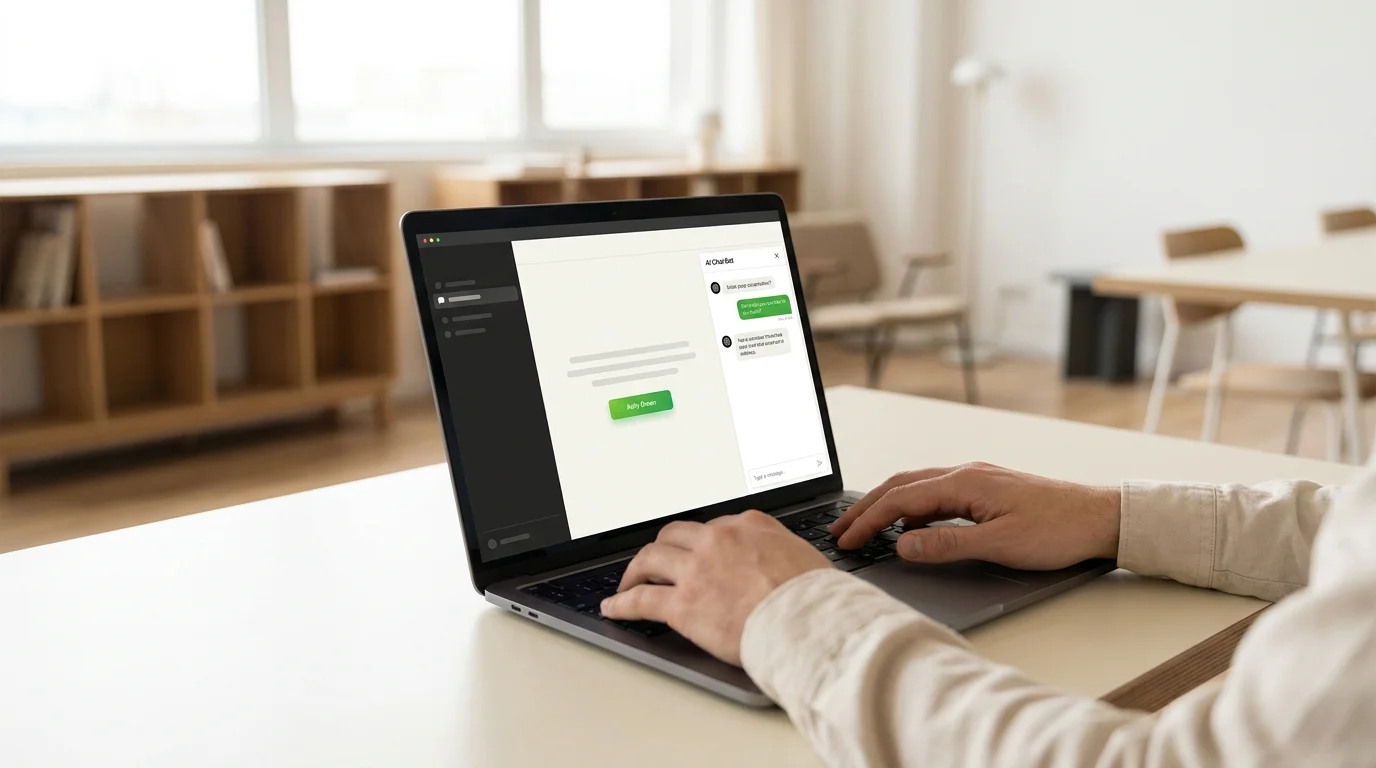
A few months ago we had a client tell us something that stuck. Before they picked us for a rebrand video, someone on their team had asked ChatGPT to shortlist video production companies in Sydney with strong case study work. We were on that list before the client ever searched Google.
That's not a fluke anymore. It's a pattern.
Buyers are outsourcing the shortlist
For years the discovery path was simple. Someone searches Google, clicks a few ads or top results, browses three or four websites, picks one to email. That path still exists, but a growing number of buyers are adding a step before it: they ask an AI assistant to do the shortlisting for them.
"Find me three video production companies that work with agriculture brands." "Compare these two agencies' case studies." "Summarise what this company actually specialises in." Buyers are treating AI tools like a research assistant that reads faster than they do and doesn't get tired.
If that assistant can't find you, summarise you accurately, or trust what it finds, you don't make the shortlist. It doesn't matter how good your ad creative is if the AI doing the pre-filtering never surfaces your name.
What AI actually pulls from
AI assistants aren't magic. They're pulling from what already exists on the web: your website copy, your case studies, reviews, press mentions, structured data. Which means the businesses winning this new discovery channel are the ones who were already doing the boring, unglamorous groundwork properly.
Specific, concrete case studies beat vague claims. A page that says "we help businesses grow" gives an AI nothing to summarise accurately. A page that says "we produced a recruitment video for a NSW manufacturer that generated 40 qualified applications in six weeks" gives it something to actually repeat back to a buyer.
Real numbers, real client names (where you have permission), and real outcomes are what get pulled into a shortlist. Adjectives don't.
What this means for your content right now
You don't need a new strategy. You need your existing content held to a higher bar of specificity.
If your case studies are still describing "great results" instead of the actual number, fix that first. If your website reads like every other agency's website, an AI summarising you and three competitors will make you sound interchangeable, because you are, on the page at least.
Video helps here more than most people realise. A testimonial that names the result, a case study page with a real client walking through what changed, a founder explaining specifically what you do differently: that's the kind of content that gives an AI assistant something concrete to surface. Polished but vague brand films help less than people think.
The takeaway
This isn't a future trend to plan for eventually. It's already shaping who gets shortlisted today. The businesses who tighten up their proof, their specificity, and their case studies now are the ones an AI assistant can actually vouch for when a buyer asks. The businesses still leaning on generic claims are the ones that quietly stop getting found.