
How to Plan a Corporate Video Shoot: A Step-by-Step Guide
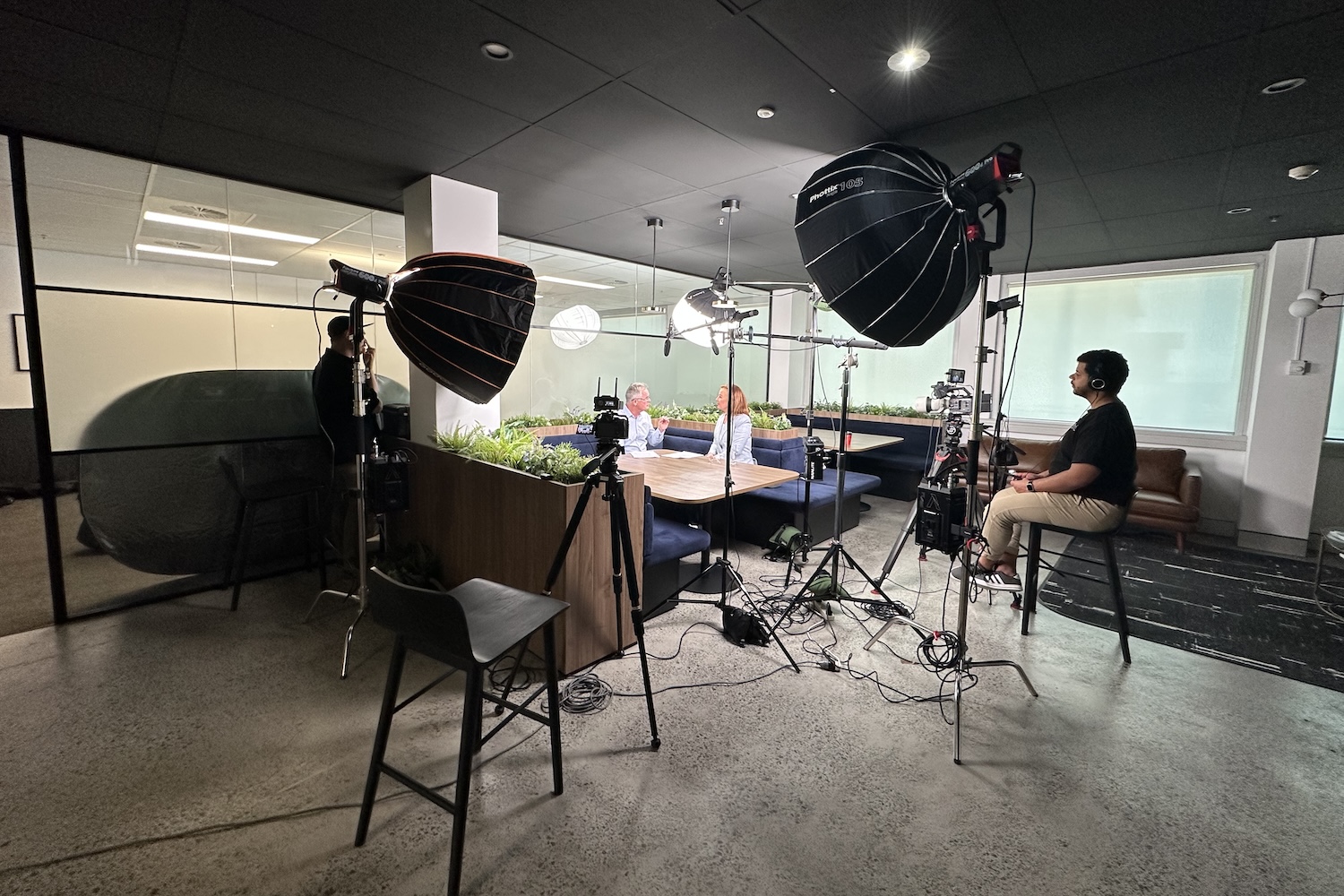
A successful corporate video doesn't happen by accident. Behind every polished brand film, testimonial, or product video is a carefully planned production process that starts weeks before the cameras roll. Whether you're coordinating a simple interview setup or a multi-location brand campaign, proper planning is the difference between a video that delivers results and one that falls flat.
This guide walks you through every step of planning a corporate video shoot so you can stay organised, keep stakeholders aligned, and get the most value from your investment.
Step 1: Define Your Video Objectives and Audience
Before you think about cameras, locations, or scripts, you need absolute clarity on two things: what you want the video to achieve, and who it's for.
- Business objective: Are you generating leads, building brand awareness, training staff, recruiting talent, or supporting a product launch?
- Target audience: Who will watch this video? Prospective customers, existing clients, internal teams, investors, or the general public?
- Key message: If a viewer remembers one thing after watching, what should it be?
- Distribution channels: Will this live on your website, social media, at events, in sales presentations, or all of the above?
These answers shape every decision that follows, from the creative approach to the budget allocation. Skip this step and you risk producing a video that looks great but doesn't actually move the needle for your business.
Step 2: Set Your Budget and Timeline
Corporate video production costs vary significantly based on scope, complexity, and deliverables. Setting a realistic budget early prevents scope creep and ensures your production team can plan accordingly.
Key budget considerations include:
- Number of shoot days and locations
- Crew size and equipment requirements
- Talent costs (professional actors versus internal staff)
- Post-production complexity (editing, colour grading, motion graphics, sound design)
- Music licensing
- Number of final deliverables (hero video plus social cutdowns, for example)
For a detailed breakdown, see our guide on how much video production costs. As a general rule, allow 4 to 8 weeks from briefing to final delivery for a standard corporate video.
Step 3: Write the Creative Brief
The creative brief is the single most important document in the entire production process. It aligns your internal team and gives your production company everything they need to develop the right concept. A strong brief includes:
- Company background and brand positioning
- Video objectives and target audience (from Step 1)
- Key messages and mandatory inclusions
- Tone and style preferences (professional, conversational, energetic, cinematic)
- Examples of videos you like and why
- Brand guidelines (logos, colours, fonts, music preferences)
- Budget range and deadline
- Approval process and key decision-makers
The more detail you provide in the brief, the faster and smoother the production process will be. Vague briefs lead to misaligned expectations and costly revisions later.
Step 4: Develop the Script or Interview Questions
Depending on the style of your video, you'll need either a full script or a set of guided interview questions.
For scripted videos (brand films, explainers, product videos): Your production company will write a script based on the brief. This typically goes through two to three rounds of review before approval. The script should be concise since every second of screen time costs money and attention.
For interview-based videos (testimonials, thought leadership, case studies): The production team will prepare guided questions designed to draw out authentic, compelling responses. The goal is to make subjects feel comfortable enough to speak naturally rather than delivering rehearsed lines.
Step 5: Plan the Logistics
Pre-production logistics can make or break a shoot day. Your production company will handle most of this, but you'll need to coordinate on your end as well:
- Location: Confirm the filming location, check for noise issues, lighting conditions, and parking for the crew. If filming at your office, book meeting rooms or common areas well in advance
- Talent: Confirm who will appear on camera and ensure they're briefed on wardrobe (avoid fine stripes and busy patterns), timing, and what to expect
- Access and permits: Some locations require filming permits or security clearance. Your production company will advise on what's needed
- Schedule: Build a detailed shoot schedule that accounts for crew setup time, hair and makeup if needed, meal breaks, and buffer time for unexpected delays
- Props and assets: Gather any products, signage, branded materials, or equipment that needs to appear on camera
Step 6: The Shoot Day
On the day of filming, your production crew will manage the technical execution. Here's what to expect:
- Setup: Allow 1 to 2 hours for the crew to set up lighting, audio, and camera equipment
- Filming: The director will guide talent through each scene or interview. Multiple takes are normal and expected
- B-roll: Additional footage of your office, team, products, or location will be captured to use as cutaway shots in the edit
- Review: Some productions allow you to review footage on a monitor during the shoot, giving you confidence that everything looks right before the crew wraps
The best thing you can do on shoot day is trust your production team and keep the schedule moving. Last-minute changes or additional requests on the day can create costly delays.
Step 7: Post-Production and Review
After the shoot, your footage goes into the editing suite. The post-production process typically follows this sequence:
- Rough cut: The editor assembles the footage into a first draft focusing on structure, pacing, and story flow
- Feedback round 1: You review the rough cut and provide consolidated feedback from all stakeholders
- Fine cut: The editor refines based on your notes, adding colour grading, music, sound design, and motion graphics
- Feedback round 2: You review the fine cut for any final adjustments
- Final delivery: The completed video is exported in all required formats and resolutions
The most important tip for this phase: consolidate all feedback into a single document per round. Nothing slows down a project faster than drip-fed notes from different stakeholders over several days.
Common Mistakes to Avoid When Planning a Corporate Video
- Skipping the brief: Jumping straight into production without a clear brief almost always leads to revisions and budget overruns
- Too many decision-makers: Appoint one person as the primary point of contact for approvals
- Trying to say too much: A focused two-minute video outperforms a rambling five-minute one every time
- Ignoring distribution: Plan where and how the video will be used before production so it can be optimised for those platforms
- Leaving no budget for promotion: Even the best video needs a distribution strategy to reach its audience
Ready to Plan Your Next Corporate Video?
At Ivory Media, we guide Sydney businesses through every stage of the video production process, from initial briefing through to final delivery. Our team handles the creative development, logistics, filming, and post-production so you can focus on your business.
Get in touch for a free consultation or call us on (02) 7252 3612 to start planning your next video project.
Further Resources
Planning your first corporate video shoot? These guides will help:
- How to Brief a Video Production Company: What to include in your brief and questions to ask potential agencies.
- Corporate Video Production Sydney: Our full range of corporate video services and production process.
- How AI Is Used in Corporate Video Production: How modern production workflows use AI to deliver better results faster.
- Corporate Video Production Timelines: How long each stage of production actually takes.