
Filming on a university campus: consent, privacy and student releases
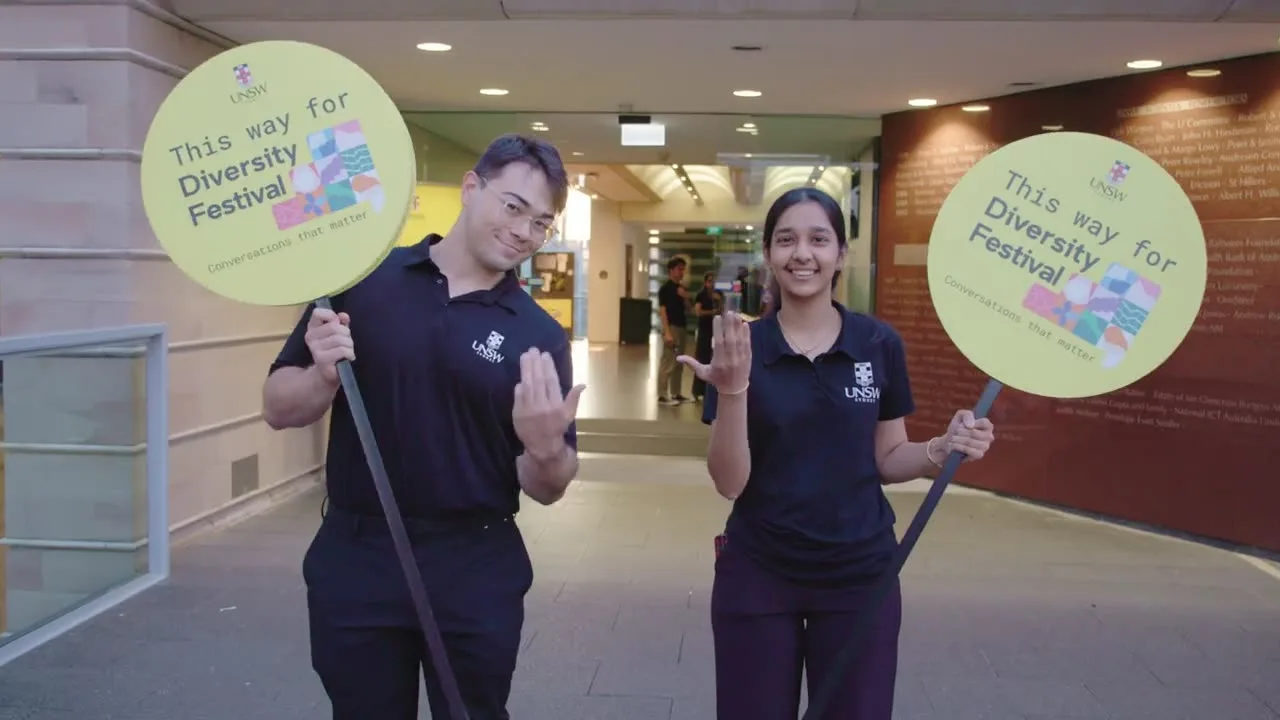
Yes, you can film on a university campus, but consent is the main job. Anyone who can be identified in the footage should sign a talent release that says where the video will appear. Students under 18 need a parent or guardian to sign as well. Crowds need clear notice and a real way to opt out. On top of that, the campus belongs to the university, so its own filming rules apply, and a public university in NSW also has to follow the state's privacy law. Get those four things right before the shoot and the rest is logistics.
This is the checklist we work through on every shoot for UNSW and the NSW Department of Education. If you want a crew that already runs this process, our page on education video production for universities, TAFEs and schools explains how we work.
One note before we start. We're a production company, not a law firm. This is how consent works in practice on Australian campuses. Your university's privacy office and legal team have the final word on your policies.
Why consent matters more on campus than anywhere else
In Australia there's no general law that stops you filming people in a public place. A university campus feels public, with open lawns and cafes, but it's private land run by the institution. That gives the university the right to set conditions on who films, where and how.
The bigger reason is privacy law. A video of a person who can be identified counts as personal information. For a NSW public university such as UNSW, the University of Sydney, UTS, Macquarie or Western Sydney University, that brings in the Privacy and Personal Information Protection Act 1998 (NSW), often called the PPIP Act. Private providers and most companies fall under the federal Privacy Act 1988 and its Australian Privacy Principles instead. Either way, the principle is the same: tell people what you're collecting, why, and where it will go, and only use it for that.
Then there's the audience itself. A campus mixes adults and minors, and local and international students. A student at a pride event may not be out at home. An international student may have family or safety reasons to stay off camera. A high school student at an outreach day is a child in law. One generic sign at the door doesn't cover all of that.
The paperwork you actually need
Most campus shoots run on four documents. The names change from one university to the next, but the jobs don't.
1. The individual talent release
This is the core form. Anyone who speaks to camera, features in a close shot, or can be clearly recognised signs one. A good release states:
- Who is filming and for which organisation.
- What the video is for, in plain words, such as a course promotion, a social campaign or a recruitment ad.
- Where it will appear: website, YouTube, Instagram, TikTok, paid ads, print, screens on campus.
- How long the university plans to use it.
- How the person can ask to be removed, and what removal can and can't undo.
- Who to contact, with a real name or a monitored inbox.
The most common mistake we see is a release that only says "promotional purposes". If the footage later ends up in a paid ad on TikTok, a student can fairly say they never agreed to that. Name the channels.
2. Parent or guardian consent for under 18s
Universities film minors more often than people think. Open days, early entry programs, school outreach, holiday camps and pathway programs all bring high school students onto campus. For anyone under 18, a parent or guardian signs the release. We also ask the student to agree on the day, in their own words, because a signature from home doesn't mean they're comfortable on the day.
NSW public schools have their own permission to publish process for students. If a school group comes onto campus, check with the school before the day. Don't assume the school's form covers your university's video.
3. Crowd and event notice
You can't get a signed release from a whole O-Week crowd. For events, the usual approach is notice plus opt-out:
- Signs at every entry saying filming is taking place, what it's for, and who to talk to.
- A line about filming in the event registration or ticket terms.
- A visible opt-out, such as a coloured lanyard or sticker, so the crew knows who to keep out of frame.
- A crew briefed to point the camera away from anyone who signals no.
Notice covers people in the background of a wide shot. It doesn't cover someone who becomes a feature. If the edit keeps a close-up of a student laughing at the camera, either get a release on the day or leave the shot out.
4. The location and filming permission
An outside crew needs the university's permission to film on site. That usually sits with the marketing, events or campus estate team. Expect to provide the dates, locations, crew size, equipment list and a copy of your public liability insurance certificate. Labs, libraries, residential colleges and teaching spaces often need extra sign-off from whoever runs them.
Filming in lectures, labs and classrooms
Teaching spaces are where good intentions go wrong. The lecturer agrees, the crew sets up, and a full lecture theatre of students who never agreed to anything are suddenly in shot.
What works:
- Tell the class ahead of time, ideally through the learning platform (Moodle at UNSW, Canvas at many other universities) a few days before.
- Mark off a no-film zone in the room. Anyone who doesn't want to appear sits there, no reason needed.
- Shoot the lecturer and the front rows who have signed releases. Cover the rest with wide shots where nobody can be picked out.
- In labs, check with the lab manager about safety gear, restricted areas and any research that can't be shown on screen.
Never let "no reason needed" slip. A student shouldn't have to explain why they don't want to be filmed.
Sensitive stories need more than a signature
Some university content is about hard things: first-in-family students, financial hardship, disability, mental health, refugee backgrounds, gender and sexuality. That content can be the most powerful thing a university makes. It can also do real harm if consent is treated as a box to tick.
On the UNSW Gateway program, the pathway for students from under-represented backgrounds, we filmed students and their families in their own homes and schools across NSW, then followed the story onto campus. Consent, child safety and stakeholder approvals were planned before a camera came out. Every edit had to show hardship honestly without exploiting it. That care is part of why the films worked: the campaign delivered a 4% increase in Gateway Program enrolment, with the target hit early.
For stories like that, add these steps:
- A pre-shoot conversation. Talk through what the video is, who will see it, and what the person is and isn't comfortable sharing. Do this before the release is signed, not while the crew waits.
- A preview before publishing. Show the person their part of the edit. It costs a day and saves a lot of pain.
- Separate consent for each channel. Someone may be happy on the university website but not in a paid ad that follows their cousins around Instagram.
- Cultural protocols. When you film Aboriginal and Torres Strait Islander students, staff or community members, work with the university's Indigenous unit (Nura Gili at UNSW, for example). Follow the AIATSIS Code of Ethics, and plan for how the footage will be handled if someone featured passes away.
Child safety on campus shoots
When minors are involved, consent is only half of it. NSW runs a Child Safe Scheme overseen by the Office of the Children's Guardian, built on the Child Safe Standards. In practice, for a shoot that means:
- Crew members who work directly with children hold a current NSW Working With Children Check, and the university or school sights it.
- A staff member from the university or school stays with the students at all times. The crew is never alone with a minor.
- No personal details on screen, such as full names, school names on uniforms if they weren't agreed, or anything that shows where a child lives.
- Footage of minors stays on approved storage, not on a crew member's phone or a personal cloud account.
After the shoot: storage, removal and records
Consent doesn't end when the camera stops. Three things matter after the shoot.
Keep the releases with the footage. Store signed releases where the comms team can find them in two years, linked to the project and the people in it. NSW public universities also have obligations under the State Records Act 1998, so check your records team's retention rules. If nobody can find the release, treat the footage as if there isn't one.
Plan for withdrawal. People change their minds. A graduate may ask to come out of a course video years later. Be honest on the release about what removal means: the university stops using the footage and takes it down from channels it controls, but it can't recall a TV spot that has already aired or reposts by other people. Then actually do it when asked, quickly.
Know what's in the archive. Raw footage often holds far more people than the final edit. If the university reuses old b-roll for a new campaign, the original release has to cover that new use. If it doesn't, cut those people out or get fresh consent.
A simple pre-shoot checklist
- Filming permission approved by the campus team, insurance certificate sent.
- Talent releases drafted, naming every channel the video will run on.
- Parent or guardian forms out at least a week ahead for any under 18s.
- Event signs printed, opt-out lanyards or stickers ready.
- Students in teaching spaces told in advance, no-film zone planned.
- Working With Children Checks sighted where minors are involved.
- Sensitive stories: pre-shoot conversation booked, preview step in the schedule.
- A named person who owns the releases and handles removal requests.
Frequently asked questions
Do you need permission to film on a university campus in Australia?
Yes, for any organised shoot. The campus is the university's property, so an outside crew needs its approval, usually through marketing, events or campus estate. Expect to share dates, locations, crew size and a public liability insurance certificate.
Do students have to sign a release to appear in a university video?
Anyone who can be clearly identified, speaks to camera or features in a close shot should sign one. People in the background of a wide event shot are usually covered by signs and an opt-out, as long as they aren't singled out in the edit.
Can a university film students under 18?
Yes, with a parent or guardian's signed consent, the student's own agreement on the day, and child safety steps in place. That means a university or school staff member present at all times and crew with a current Working With Children Check.
Does privacy law apply to filming on campus?
Yes. Video of an identifiable person is personal information. NSW public universities follow the Privacy and Personal Information Protection Act 1998 (NSW). Private providers generally follow the federal Privacy Act 1988 and the Australian Privacy Principles.
What happens if a student withdraws consent after the video is published?
The university should stop using the footage and take it down from the channels it controls, then re-edit if needed. It can't pull back reposts by others or ads that have already run, which is why the release should explain this up front.
How far ahead should consent be organised?
Start at least two weeks before the shoot, and earlier if minors are involved. Parent forms take time to come back, and campus approvals can take longer than the shoot itself.
Get consent right and the creative gets easier
Good consent isn't a brake on good content. When students know what they've agreed to, they relax on camera, and relaxed students make better video. When the paperwork is tidy, the comms team can reuse footage for years without a nervous call to legal.
If you'd like a crew that plans consent, child safety and approvals before the cameras come out, see our approach to video production for universities and schools. We'll fit into your process, not the other way round.