
Machinery dealer video production: what to film and how to use it
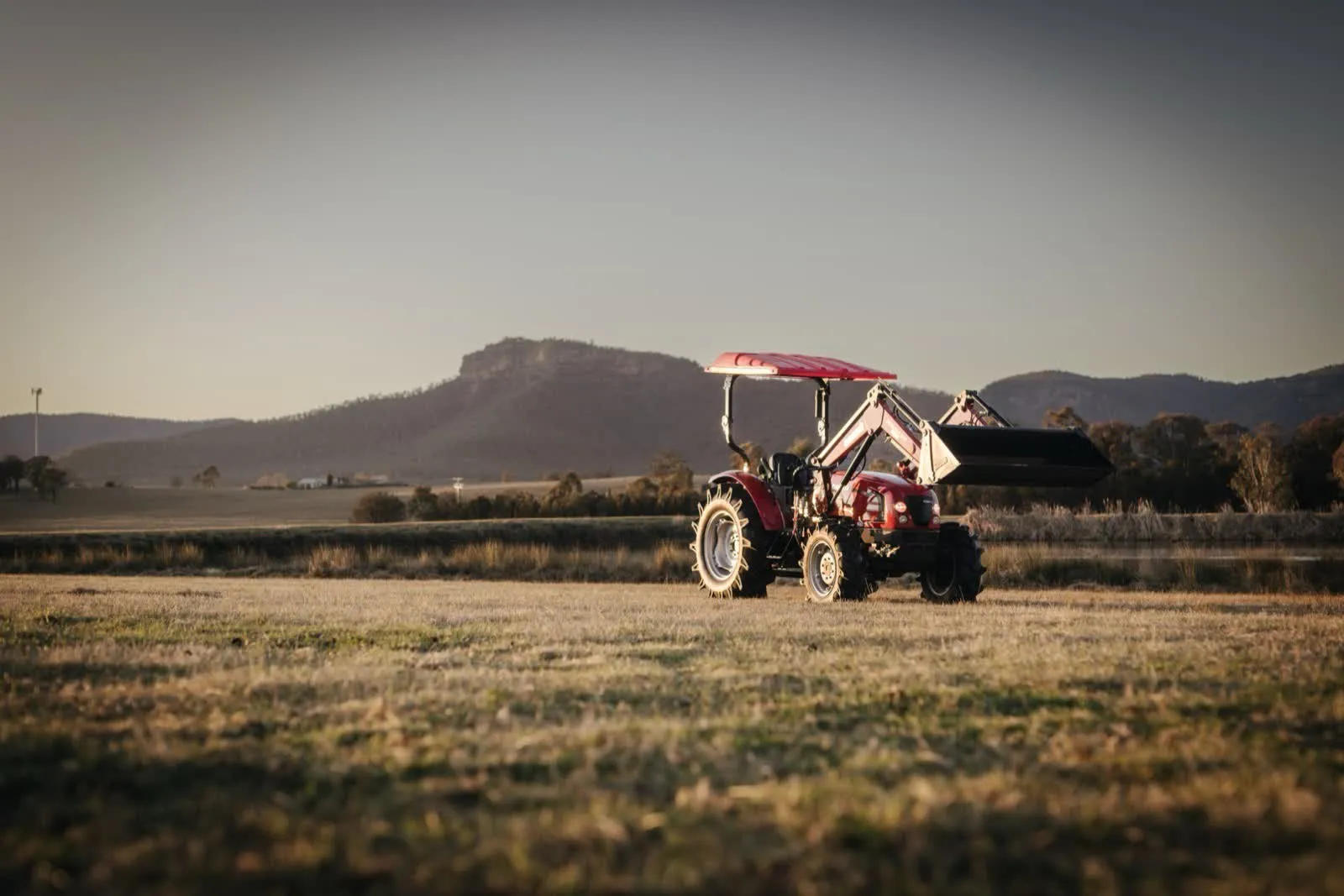
Machinery dealer video production is the filming a dealership needs to sell and support machines: walkarounds of the stock on your yard, delivery and handover videos, field demos, service and parts content, and coverage from field days and shows. The best version is planned with the manufacturer, so the dealer gets brand-quality footage that still carries their own name, their own people and their own district. Done well, it does the first sales conversation before the buyer ever rings.
That's the short answer. The rest of this piece covers which videos earn their keep, how co-op content between a manufacturer and its dealers works in practice, and how to plan a shoot without pulling machines off the yard for a week. If you're the manufacturer feeding a dealer network, our page on manufacturing video production covers the brand side of that relationship.
We've filmed dealer content for Case IH and New Holland through CNH Industrial, from a Case IH 25B walkaround to a New Holland dealer film at Bordertown in South Australia. The examples below come from that work.
Why dealers need their own video
Farmers and contractors research a machine long before they walk onto a yard. They watch the manufacturer's launch film, then they go looking for something closer to home. Who has one in stock? What does it look like in the flesh, not in a render? Who will service it when it breaks down in the middle of harvest?
The manufacturer's global campaign can't answer those questions. It doesn't show your workshop, your parts counter or your sales rep standing next to the actual unit. That's the gap dealer video fills. It turns "a brand I trust" into "a dealer I trust", and the second one is where the sale happens.
There's a practical side too. A machine listing with a proper walkaround video answers half the questions that would otherwise arrive as phone calls. Your sales team spends less time describing a cab over the phone and more time with buyers who are already serious.
Five dealer videos that do the work
1. Walkarounds
A walkaround is the workhorse of dealer content. One machine, one presenter, 60 to 120 seconds. Start at the front, work around the unit, climb into the cab, show the controls and the screens, finish on whatever makes this model different. For a compact tractor like the Case IH 25B, that might be the loader and the ease of hitching implements. For a header, it's the front, the unloading auger and the cab.
The presenter matters more than the camera. A sales rep or product specialist who knows the machine and talks like a farmer beats a polished voiceover every time. Buyers can tell the difference between someone reading a spec sheet and someone who's sold plenty of them.
Walkarounds are also the easiest to batch. With a clear list and clean machines lined up, a crew can film several units in a single day.
2. Delivery and handover videos
The moment a new machine arrives on a customer's property is good content and good relationship work at the same time. Film the unload, the handover and a short chat with the owner about why they bought it. With the customer's permission, that becomes a social post, a story on your website and a quiet nudge to their neighbours.
Handover videos also make a useful internal tool. A short recorded walkthrough of the first-use checks gives the new owner something to rewatch, and cuts down on the "how do I" calls in the first fortnight.
3. Dealer brand films
This is the bigger piece: who you are, where you are and why the district buys from you. Our New Holland Bordertown dealer film is a good example of the shape. A New Holland combine harvesting in a golden crop, the dealer's people, the town. It looks like the brand, but it's clearly about this dealer.
A dealer brand film usually runs 90 seconds to two minutes for the website, with shorter cuts for social. It's the piece you'll use for years, so it's worth filming in the right season. Our guide to planning an agricultural video shoot around the season covers how to time it.
4. Field days and shows
Field days are where dealers and manufacturers meet buyers in person: AgQuip at Gunnedah, Henty Machinery Field Days, Farmfest on the Darling Downs, and the big city shows. We've covered CNH at the Sydney Royal Easter Show, where the job is part event coverage, part fast-turnaround social.
The trick with events is to plan the content before the gates open. Line up two or three short interviews with product specialists, book the machines you want filmed before the crowds arrive, and have social cuts going out on the day, not a fortnight later when everyone has moved on.
5. Service and parts content
This is the content most dealers skip, and it's often the content buyers trust most. Daily checks, greasing points, filter changes, what to look at before the season starts. Short, practical, filmed in your own workshop with your own technicians.
It does two jobs. It helps existing owners, which keeps them coming back for parts and service. And it shows new buyers that there's a real team behind the sale, which matters when the nearest alternative is three hours away.
How co-op content works between manufacturer and dealer
Most major machinery brands run some form of co-op marketing with their dealer networks, where the brand supports dealer marketing that meets its guidelines. The details vary by brand and change over time, so check your own manufacturer's program before you plan around it. The principle is the same everywhere: the brand wants consistent, on-brand content in the market, and the dealer wants content that sells from their yard.
The efficient way to serve both is to film once and localise many times. In practice that looks like this:
- The manufacturer funds or commissions the hero footage: the machine working in its real season, filmed to brand standard.
- Each dealer gets a localised version: their own intro, their own people, their own end card with location and contact details.
- Dealer-specific footage fills the gaps: the yard, the workshop, a local owner talking about why they bought from this dealer.
- Vertical cuts are filmed on the day, not cropped from widescreen later, so social versions look intentional.
Done this way, a single harvest day can serve the brand's national campaign and a dozen dealers' local channels. Done the other way, with every dealer hiring a different crew, the brand ends up with a market full of mismatched content and the dealers pay full price for footage that already exists.
If you're a manufacturer, it's worth building the dealer versions into the brief from the start. Adding them afterwards is possible, but you'll find the shots you need for localisation weren't filmed.
Planning a dealer shoot
Dealer shoots are simpler than full campaign shoots, but they still fall over on the same few things.
Stock and timing
The machine has to be on the yard, prepped and clean, on the shoot day. That sounds obvious until a unit sells the week before. Lock in a list of machines with a back-up for each, and agree who's responsible for washing and positioning them.
Location
The yard is fine for walkarounds. For anything showing a machine working, you need a paddock and a grower who's happy to host. Your customer base is the best place to find one. Check the implement matches the horsepower and the crop matches the district. Buyers notice when it doesn't.
People
Pick presenters who know the machines and are comfortable talking. Brief them on the key points, then let them say it in their own words. Scripts read aloud on a yard almost always sound stiff.
Safety and drones
A working yard and a working paddock are both workplaces. Agree where the crew can stand, how they communicate with operators, and what they can and can't drive. For aerial footage, make sure the drone pilot holds the right CASA licence for commercial work and knows the rules about flying near people and machinery.
Where dealer video goes once it's made
Footage that sits on a hard drive doesn't sell anything. Plan the channels before the shoot so the crew films the right formats:
- Your website. Walkarounds embedded on the stock listing for each machine.
- Classified listings. Sites like Farm Tender, TradeFarmMachinery and Machines4U let you attach or link video to a listing.
- YouTube. The home for walkarounds and service videos, because buyers search there by model name.
- Facebook and Instagram. Handover stories, event coverage and short cuts, with paid reach targeted to the district around the dealership.
- The showroom and the stand. A screen running the brand film at a field day earns its keep.
- Email to existing owners. Service content and new model walkarounds go straight to people who already buy from you.
Short machinery content can travel a long way when it's filmed properly. One Case IH reel we produced for CNH Industrial reached 751,000 views. That's a machine reel, made for an audience of farmers and contractors, not a viral stunt. The lesson for dealers is simple: buyers will watch machinery content when it looks like the real thing.
What it takes from you
Less than most dealers expect. One person who knows the stock and can make decisions on the day. Access to the yard and, where needed, a customer's paddock. A rough list of the machines and messages that matter this season. We handle the plan, the crew, the edit and the cuts for each channel.
For a manufacturer, the bigger lift is upfront: agreeing the brand standards, the localisation plan and which dealers come first. After that, each new dealer version gets faster.
FAQ
What is machinery dealer video production?
It's video made to help a machinery dealership sell and support equipment: walkarounds of stock, delivery and handover videos, dealer brand films, field day coverage and service content. It's often co-produced with the manufacturer so the footage is on-brand and localised to each dealer.
How long should a machinery walkaround video be?
Usually 60 to 120 seconds. Long enough to cover the exterior, the cab and the controls, and the one or two features that set the model apart. Longer technical walkthroughs work on YouTube for buyers who are close to a decision.
Can we use the manufacturer's footage in our dealer videos?
Often, yes, within the brand's guidelines. Many manufacturers supply footage or run co-op programs that support dealer marketing. Check your own brand's rules, then add dealer-specific footage so the result is clearly about your dealership.
How many machines can you film in a day?
For walkarounds, several units in a day is realistic if the machines are prepped, clean and lined up in advance. Working footage in a paddock takes longer, because it depends on the job, the light and the weather.
Do you film outside NSW?
Yes. We film across Australia, from the Darling Downs in Queensland to Bordertown in South Australia and Swan Hill in Victoria. We plan the travel in from the start.
Where to start
Start with the machine your sales team gets asked about most. Film a proper walkaround of it, put it on the listing and on YouTube, and watch how the conversations change. Then build out to handovers, a dealer brand film and the next field day.
If you're a manufacturer planning content for a whole dealer network, see how we approach video production for manufacturers and their dealers. Let's map out the content your business actually needs.