
Student recruitment video: what actually moves enrolment
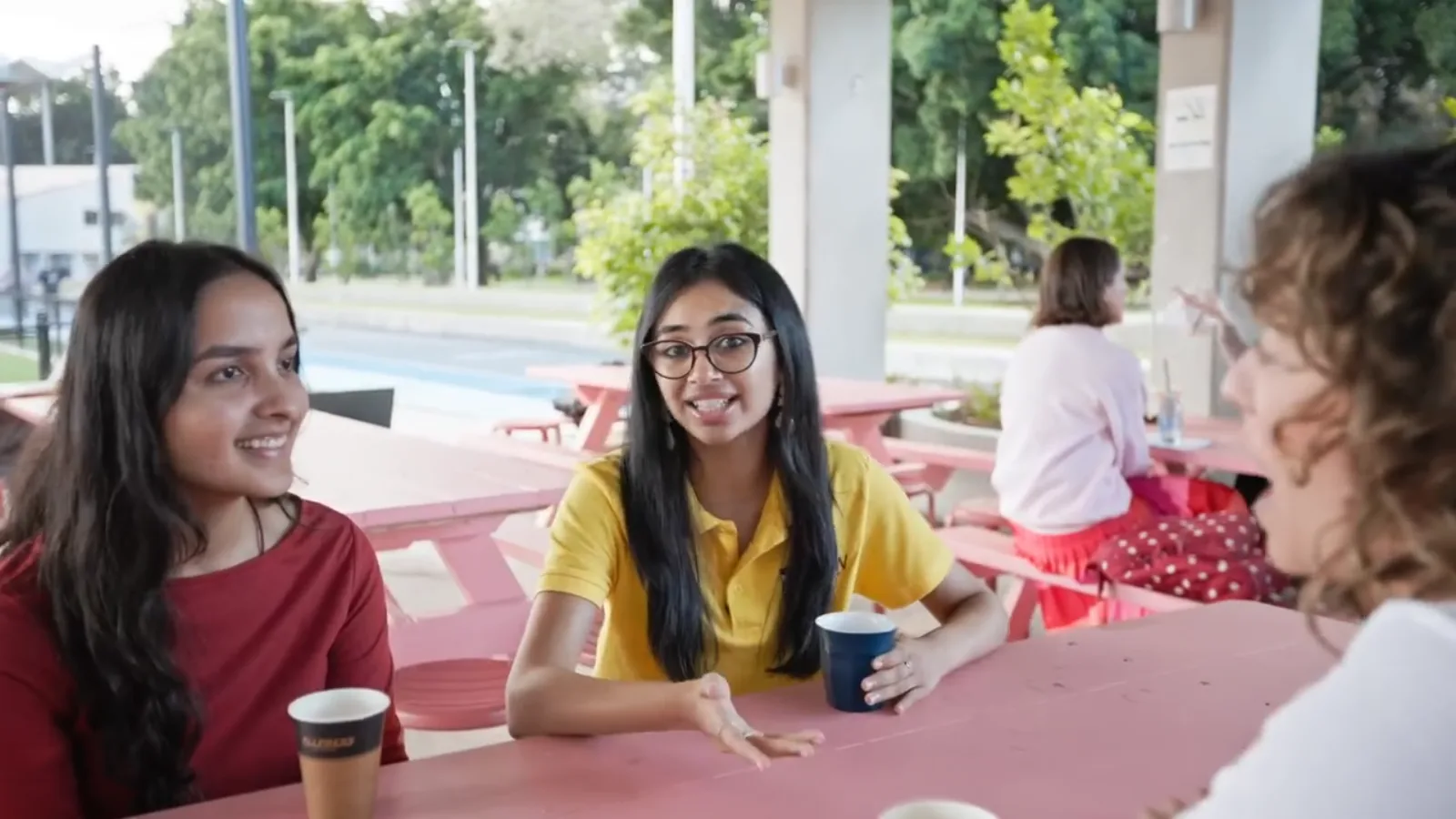
A student recruitment video works when a prospective student sees someone like them, in a place they can picture themselves, at the moment they are deciding. That is the short answer. Most university recruitment videos fail on all three: they show the institution instead of the student, they show the campus instead of the student's world, and they run all year instead of when the decision is live. Fix those three things and video stops being a brand expense and starts moving enrolment.
This article walks through one real campaign, the UNSW Gateway Program, and what it taught us about which recruitment videos actually change who applies. If you want the wider picture of how we plan and run this work for universities, TAFEs and schools, start with our education video production page. This piece is about the video itself, and the decisions behind it.
Why most student recruitment videos don't move anyone
Put ten university recruitment videos side by side and you will see the same film ten times. A drone shot over the main building. A lecture theatre. Students laughing on a lawn. A vice chancellor at a lectern. A logo.
None of it is wrong. It just doesn't do any work. A prospective student watching that film learns nothing they couldn't get from the website, and nothing that makes this university feel different from the one down the road.
The deeper problem is who the video is about. Most recruitment films are about the institution: its rankings, its buildings, its history. Students don't choose a university because of the building. They choose it because they can picture themselves there, and because they believe people like them belong.
That gap is widest for the students universities most want to reach. A first in family student, a student from a regional town, or a student from a background that is under represented on campus has often never pictured themselves at university at all. A polished campus tour doesn't close that gap. It can make it wider.
The campaign: UNSW Gateway
Gateway is UNSW's admission pathway for students from under represented backgrounds. The communication problem is delicate. A prospective student who can't picture themselves at university won't apply. And content about disadvantage slides into deficit framing fast, which patronises exactly the people it is meant to reach.
So the brief was not "make a nice video about UNSW". It was: show real student journeys, the challenges and the wins, honestly enough to be believed and carefully enough to do no harm. And it had to move an enrolment number. Enrolment numbers are unforgiving. Either the intake fills or it does not.
What we filmed
We travelled across NSW to film Gateway students and their families in their own homes, schools and communities. Then we followed the story onto campus. The prospective student watching saw the kitchen table, the local high school and the bus stop before they saw a lecture theatre.
That order matters. It starts the story where the viewer already is, then shows them the path from there to here.
What came out of it
The campaign delivered a 4% increase in Gateway Program enrolment, and the program hit its enrolment target ahead of schedule. UNSW announced it in its own social content. You can read the full story in the UNSW Gateway case study.
The films also work at street level. High school students recognise the student ambassadors from the videos and connect with them over shared backgrounds. Inside UNSW, other departments started asking for introductions to the team that made them, and the work has grown into program films, on campus day coverage, photography and social cutdowns, refreshed each intake.
What actually moves enrolment: five lessons
Here is what we would tell any university, TAFE or school planning a student recruitment video, based on what worked on Gateway.
1. Cast students, not spokespeople
The most persuasive person in a recruitment video is a current student the viewer can relate to. Not a dean, not a presenter, not an actor. Prospective students are very good at spotting a script. They trust someone who sounds like them, talking about something they have actually lived.
Pick your students for the audience you want to reach, not for how polished they are on camera. Then let them talk in their own words. A slightly awkward true answer beats a smooth rehearsed one every time.
2. Start where the viewer is
If you want a student from Dubbo or Western Sydney to picture themselves on your campus, don't open on the campus. Open on a place that looks like their life. Their school, their street, their family. Then show the path.
This is the single biggest difference between the Gateway films and a standard university promo. It is also the cheapest to get right. It is a choice about where you film, not how much you spend.
3. Show the hard parts, carefully
A recruitment video that only shows the good bits isn't believed. Students know university is hard. They want to know whether people like them get through it, and what helped.
But there is a line. Content about disadvantage can turn into a story about deficit, where the student is defined by what they lack. That framing does harm and it doesn't recruit. The fix is editorial: let the student tell their own story, focus on what they did, and give them the final say on how they are shown. On Gateway, every edit balanced showing hardship with refusing to exploit it.
4. Plan consent and approvals before the camera comes out
Education shoots involve young people, families, schools and a long chain of stakeholders. Consent forms, child safety requirements, faculty sign off, brand approval. If you plan these as you go, they will stop your timeline. On Gateway, consent, child safety and stakeholder approvals were all planned before anyone pressed record.
Build approval time into the schedule from day one. Work out who signs off what, in what order, and how long each step really takes. That is not red tape. It is what lets you film real students in real homes without putting anyone at risk.
5. Run it when the decision is live
A great student recruitment video that nobody sees at the right time does nothing. Students decide in windows: around open days, offer rounds, preference changes and intake periods. Your video should be running hardest exactly then, on the platforms they actually use.
That means planning distribution with production, not after it. Cut versions for each platform. Short social edits for discovery. Longer films for the moment a student is comparing options. And a schedule tied to your intake calendar, not a single launch date.
Build a suite, not a single film
One film can't carry a whole intake. Students meet you in lots of places: a feed, a search, a course page, an open day, an offer email. Each moment needs a different video. So plan a suite from the start, and give every video type a clear job.
The five video types that do the work
- Student stories. Real current students, from where they started to where they are now. This is the core of the suite. Its job is to help a prospective student picture themselves on campus. It lives on program pages, social and paid ads.
- Campus tours. Led by a student, not a narrator. Show the spaces students actually use: the library corner, the café, the bus stop, the study room. Its job is to make the campus feel familiar before they visit. It lives on the website, YouTube and open day promotion.
- Alumni stories. Graduates talking about where the course took them. Their job is to answer the question students and parents both ask: is it worth it? They live on course pages, retargeting ads and offer round emails.
- Lecturers, tutors and trainers. The people who will actually teach them, talking about their subject and how they support students. Their job is to take the fear out of the classroom. They live on course pages, open day screens and social.
- Open day content. Promotion before, coverage on the day, a recap after. Its job is to fill the day, then use the day to reach the students who missed it. It lives on social, paid and email.
Mix polished and organic
A good suite needs both. Polished films carry the brand: the hero student story, the campus tour, the course films. They're planned, lit and graded. Organic content keeps it real: student takeovers shot on a phone, quick tips from a lecturer, behind the scenes at open day. It's fast to make and it feels at home in the feed.
The skill is making them feel like one family. Use the same students across both. Keep the same colour, type and tone. A student who leads the hero film should turn up in a vertical clip a week later. That's what makes a suite feel cohesive without feeling corporate.
Capture both on the same shoot. One day can give you the polished interview, the campus footage and a stack of vertical clips from a second camera. Film once, cut many times.
Make it work for organic and paid
Organic and paid should feed each other. Post content organically first. Watch what students actually stop for: watch time, shares, saves and comments. Then put paid budget behind the winners.
This takes the guessing out of paid. You're not betting the ad budget on the film the committee liked best. You're backing the content your audience has already chosen. Organic becomes the test. Paid scales what works.
Two things make this possible. Every asset needs vertical, square and landscape versions, so a winner can move into ads without a re-edit. And the suite needs fresh content each intake, so there's always something new to test.
For more ideas by format, see our list of promotional video ideas for schools and universities, and for the broader view of video across the enrolment funnel, read how universities use video to increase student enrolment.
How to tell if your recruitment video is working
Views are the easiest number to report and the least useful. A video can do well on views and recruit no one. Before you film, agree what you will measure. The measures that matter sit closer to the decision:
- Enrolment or application numbers for the program the video promotes, compared with the last intake.
- Clicks from the video to the application or enquiry page.
- Watch time on the longer films, which tells you whether students stay for the story.
- What students say at open days and in enquiries. If prospective students mention the people in your videos by name, the films are working.
On Gateway, the measure was the one that counts: enrolment against target. Pick yours before the shoot, not after the launch.
Common mistakes to avoid
- Making one film for everyone. A video aimed at every prospective student speaks to none of them. Pick the audience you most need to reach.
- Over scripting students. Give them questions, not lines.
- Leaving approvals to the end. A film that sits in sign off until after the intake window has missed its job.
- Launching once and stopping. Recruitment runs in cycles. Refresh the content each intake so it stays current and true.
- Measuring only views. Agree an enrolment or application measure up front.
FAQ
What is a student recruitment video?
A student recruitment video is a film made to help prospective students decide to apply to a university, TAFE, college or school. The best ones feature real current students and show the path from the viewer's own world to life on campus, rather than focusing on buildings and rankings.
What should a university recruitment video include?
Real students the audience can relate to, honest stories that include the hard parts, a clear sense of what support exists, and a clear next step such as applying or booking an open day. Start the story where the viewer already is, then show them the path onto campus.
How long should a student recruitment video be?
Make more than one length. A longer student journey film of a few minutes works when a student is comparing options. Short social cutdowns from the same shoot work for discovery on vertical feeds. Plan both from the same shoot so you film once and cut many times.
Should recruitment videos be polished or organic?
Both. Polished films carry the brand and the main student stories. Organic content shot on a phone keeps the feed real and fast. Use the same students and the same look across both so the suite feels like one piece. Post organically first, then put paid budget behind what performs.
How do you handle consent when filming students?
Plan it before the shoot. Get written consent from every identifiable person, and from parents or guardians for anyone under 18. Follow your institution's child safety requirements, and give students a say in how they are shown. Build approval time into the schedule so it doesn't delay the launch.
When should a recruitment video campaign run?
Hardest during the decision windows: open days, offer rounds, preference changes and intake periods. Plan distribution alongside production so the right cut is running on the right platform at the moment students are choosing.
The short version
Students enrol where they can picture themselves. So cast real students, start the story in the viewer's world, show the hard parts with care, plan consent and approvals early, build a suite that mixes polished and organic, and run it when the decision is live, with paid behind what already works. That is what moved enrolment on UNSW Gateway, and it scales to institutions of any size.
If you are planning your next intake campaign, see how we approach video production for universities, TAFEs and schools. Book a strategy call to see what this could look like for your brand.