
Field days and ag shows: the video content plan
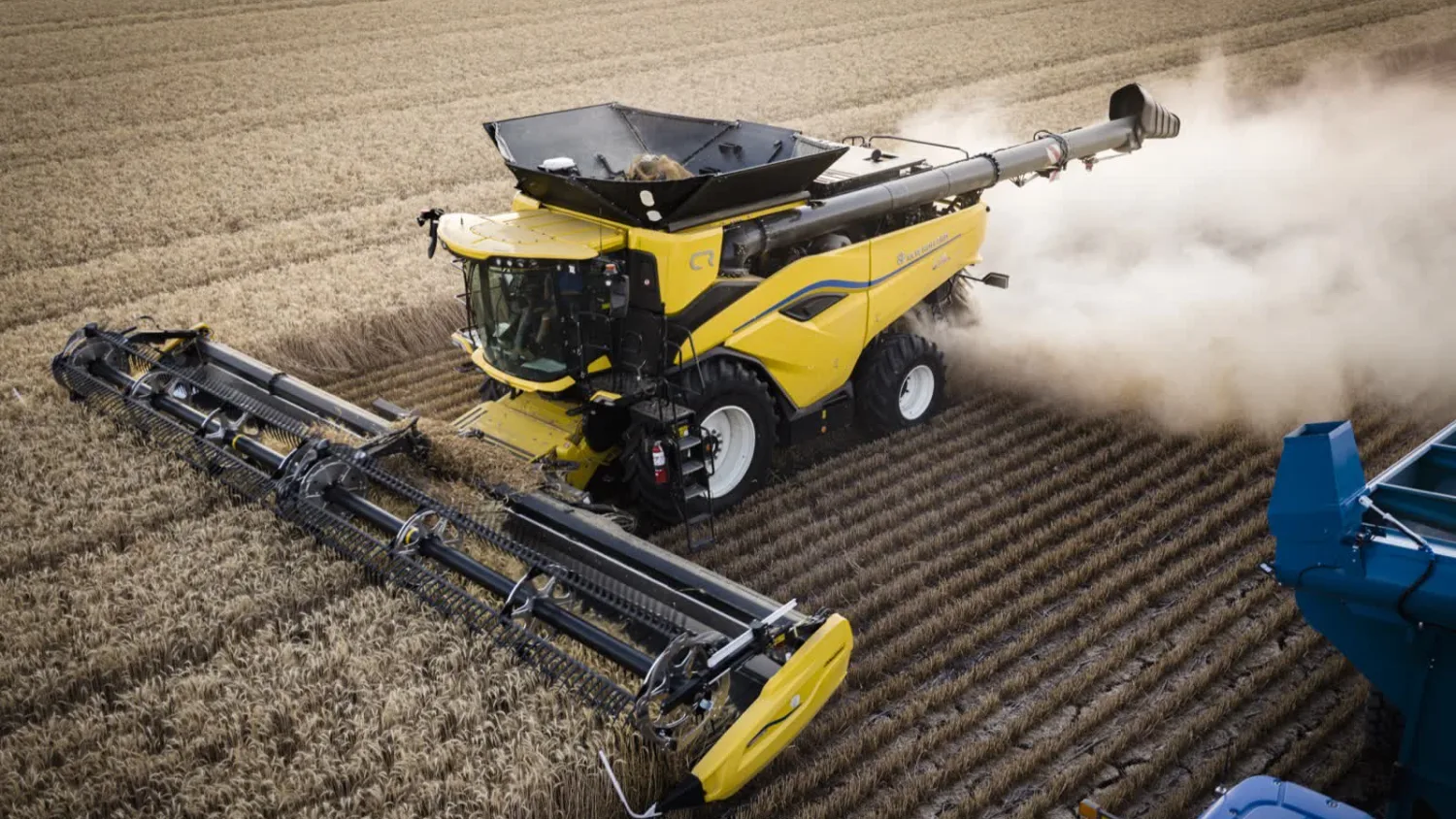
Ag show video content is everything you film before, during and after a field day so one weekend on a stand keeps selling for months. Before the show, you film teasers and invitations. On the day, you capture product walkarounds, demo runs, short answers from your specialists and real conversations with farmers. Afterwards, you cut it all into a recap film, social posts, listing videos and follow-up for every lead you met. Plan it properly and one show gives you a quarter of content.
Most exhibitors do the opposite. They spend big on the site, the stand and the machines, post three phone photos on the Friday, and go quiet until next year. This guide is the plan we use instead. If you want the wider picture of how video sells machinery and inputs to farmers, start with our page on agricultural video production.
Why field days are the best content shoot of your year
Think about what a field day puts in one paddock. Your newest machines, washed and ready. Your product specialists, often flown in. Dealers from across the region. And hundreds of the exact buyers you spend the rest of the year trying to reach with ads.
You'd never get that line-up for a normal shoot. Booking a specialist, a machine and a demo site for a single day of filming takes weeks of calls. At a show, it's all already there, already paid for. The only thing missing is a plan to film it.
There's a timing bonus too. Many of Australia's big shows sit close to key buying decisions. Wimmera Machinery Field Days at Longerenong runs in March. Farmfest near Toowoomba on the Darling Downs runs in June. AgQuip at Gunnedah and the Dowerin field days in the WA wheatbelt run in August. Henty Machinery Field Days in the Riverina runs in September, and Elmore in central Victoria in October. Content you shoot there lands while growers are thinking about harvest results, tax time and what to replace next.
The three phases: before, during and after
Every good show plan has three parts. Most exhibitors only do the middle one, and only badly.
Before the show: two to four weeks out
The goal before the gates open is simple. Give people a reason to find your site, and give your sales team something to send.
- A short invitation video from someone real. Your regional manager standing next to the new model, saying where you'll be and what's worth seeing. Thirty seconds, filmed on a phone or properly, as long as it sounds like a person.
- A teaser of the hero machine. If you're launching something at the show, a few seconds of detail shots builds interest without giving the reveal away.
- A dealer version. Each dealer in the region gets the same invite with their own name and site details, so they can send it to their own customers.
This is also when you plan the shoot itself. Get the site map from the organiser. Work out where the light falls in the morning. Book your specialists into interview slots. Ask the organiser about drones early, because CASA's standard rules don't let you fly over people, and most shows control drone use on site. If you want aerials of the site, they usually have to happen before the public arrives.
During the show: what to film
The show itself is where you build your library. We plan it as a shot list against the show timetable, not as "general coverage". Here's what goes on that list.
The empty-site hour. The best footage of your stand happens before the crowd. Machines lined up, flags still, the light low and warm. This is where your hero shots and clean walkarounds come from. If you only get one hour of a crew, make it this one.
Product walkarounds. One machine, one specialist, two to three minutes. What's new, what it's for, the detail a buyer would ask about. These become listing videos, YouTube content and dealer assets for the next twelve months. They are the most useful thing you'll film all weekend.
Demo runs. If the show has a working demo area, film it from more than one angle. A header working a strip of crop or a tillage rig pulling dust tells a buyer more in ten seconds than a spec sheet does in ten pages.
Short specialist answers. Ask your product people the questions farmers actually ask. What's the fuel use like? How does it go on hills? What's the service interval? Each answer is a 30 to 60 second clip. Ten of these is ten weeks of social posts.
Customer voices, with permission. Owners who stop by to talk about the machine they already run are gold. Keep it short and natural. Get a signed release on the spot. Never film a farmer who hasn't said yes, and never put words in their mouth.
Atmosphere. The crowd, the stand busy, the handshake on a deal. Shoot enough to cut a 60 second recap, but don't let it eat the day. Atmosphere is the garnish, not the meal.
After the show: the edit plan
The value comes from what you do in the six weeks after the show. Here's the order we cut it in.
- Same day or next morning: one or two fast social posts. "We're at AgQuip this week, come and see the new model on our site." Speed matters more than polish here.
- Within a week: the recap film. 60 to 90 seconds. Who you met, what you showed, what's next.
- Weeks two to four: the walkarounds, cleaned up and posted to YouTube, your website and every dealer listing for that model.
- Weeks two to twelve: the specialist answers, released one or two a week as short-form posts.
- Ongoing: a follow-up sequence for every lead from the show, with the right walkaround attached for the machine they asked about.
That last one is where most of the money is. A salesperson who follows up with "here's the video of the header you looked at on Saturday" gets a very different reply than one who sends a brochure PDF.
How one show funds a quarter of content
Here's how the numbers work as a plan. Two days at a show, with a crew for the first morning and a few planned slots each day, should give you something like this:
- One recap film for the website, YouTube and email.
- Three to five product walkarounds, one per key model.
- Eight to twelve short specialist answers.
- A handful of customer clips, depending on who says yes.
- Enough detail and atmosphere footage to cut your own reels and ads for months.
Released at one or two pieces a week, that's twelve weeks of content. A full quarter, from one booking. And because it was all shot on your own stand with your own machines and people, none of it looks like stock.
Short, real machinery content travels further than most marketing teams expect. One Case IH reel we made for CNH Industrial reached 751,000 views. It wasn't a big-budget launch film. It was a machine doing a real job, cut for how farmers actually scroll.
The mistakes that waste a show
We see the same few mistakes every season.
Turning up without a shot list. "Get some footage of the stand" produces two hours of people's backs. Write the list before the show, against the timetable.
Filming only when it's busy. A crowded site looks great in a photo and terrible in a walkaround. Do product work early or late, crowd work in the middle of the day.
Forgetting the audio. Field days are loud. Generators, PA systems, engines starting next door. Use proper lapel mics for every specialist and pick a quieter corner for interviews.
No release forms. If a farmer is the star of a clip, you need their written okay. Bring forms and a pen, or a QR code to a digital form.
Posting it all in one week. A dump of fifteen videos the week after the show gets the same reach as three. Spread it out.
Leaving dealers out. Your dealers are the people who sell the machine. Give them their own cuts, with their logo and contact details, and they'll post them. Our guide to machinery dealer video production covers how to set that up.
Field days vs the big city shows
Not every show works the same. Regional field days like Henty and AgQuip are built for buyers. People come to look at machines, kick tyres and talk numbers, so your content should be heavy on walkarounds and specialist answers.
City shows like the Sydney Royal Easter Show are different. The crowd is mostly families and city people. The content there is more about brand: why your company matters, who your people are, what farming looks like. We've filmed at the Easter Show, and the plan leans more on atmosphere and story and less on specs.
Know which one you're at before you write the shot list.
Who should film it: your team or a crew?
For fast social posts on the day, a confident person on your stand with a good phone is fine. For the empty-site hour, the walkarounds, the demo runs and the specialist answers, bring a crew. Those are the pieces you'll use for a year, and they need clean audio, steady shots and someone who knows the machine well enough to film the right detail.
The simplest setup is a crew for the first morning plus a few planned slots across the show, with your own team covering the casual moments. If you're also filming harvest or seeding that season, plan both together. Our guide to planning an agricultural video shoot around the season shows how to time it.
Questions exhibitors ask us
How far ahead should we book a crew for a field day?
Six to eight weeks is comfortable. That gives time to plan the shot list, book the specialists and sort travel to regional sites like Gunnedah or Henty. Crews get busy around the August and September shows, so earlier is safer.
Can you fly a drone at a field day?
Sometimes. CASA's standard rules don't allow flying over people, and most shows control drone use on site. The usual answer is to ask the organiser early and plan aerials for before the gates open, when the site is empty.
How long should a field day recap video be?
60 to 90 seconds for social and email. A longer two to three minute version can work on your website or YouTube channel, but most people watch the short one.
What should we film if we're launching a new machine at the show?
Film the reveal, then get a clean walkaround of the machine before or after the crowd. Add two or three specialist answers about what's new. Those clips do more work in the following months than the reveal moment does.
Can our dealers use the footage?
Yes, and they should. Plan dealer cuts from the start, with each dealer's name and details, so the content gets posted across the whole network instead of one account.
Make the next show count
Pick the next show on your calendar. Write the shot list against its timetable, book your specialists into slots, and plan the six weeks after it before you plan the stand. That one change turns a weekend expense into a quarter of content.
If you want help planning it, see how we approach agricultural video production for machinery and ag brands. Book a call and we'll map out the show plan with you.